Source Compact Travel Locksmith Kit for Door Entry, Repairs, and Maintenance
Source a compact travel locksmith kit from 30 verified listings. Compare brass and stainless steel options, key types, and customization services to find the right tools for door entry, repairs, and maintenance tasks; compare the available evidence and request quotations based on your requirements.
Key considerations
Products List


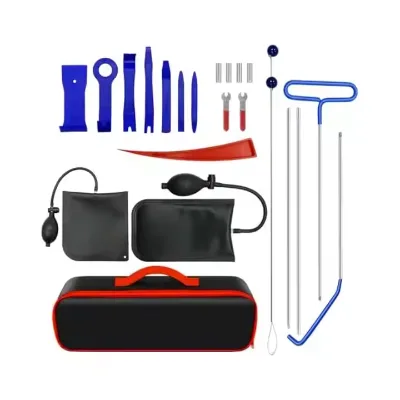
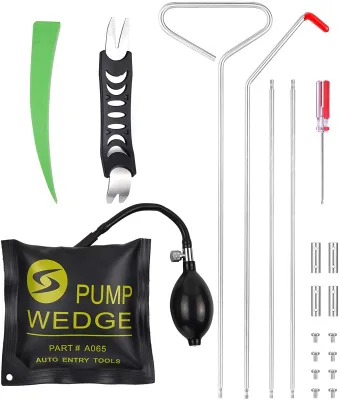
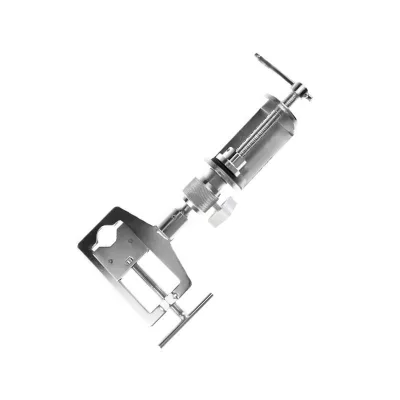
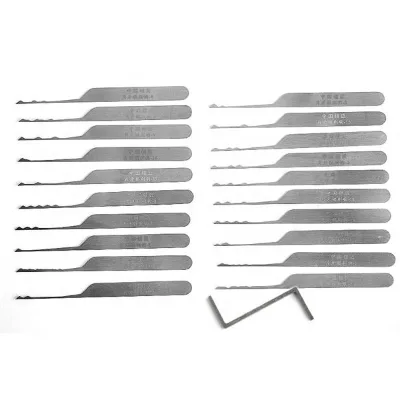
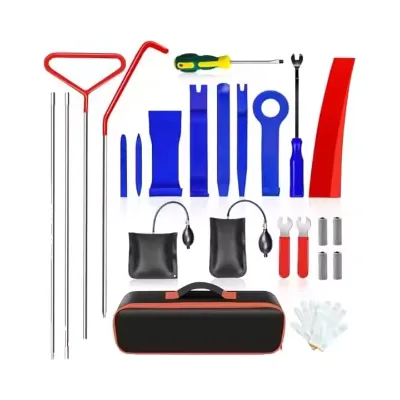
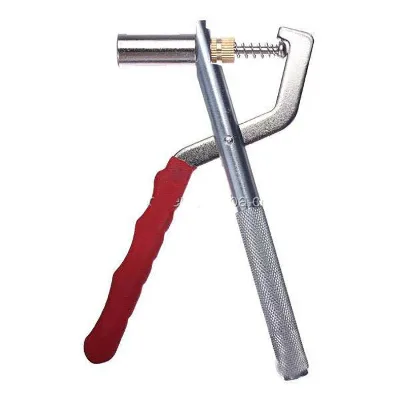
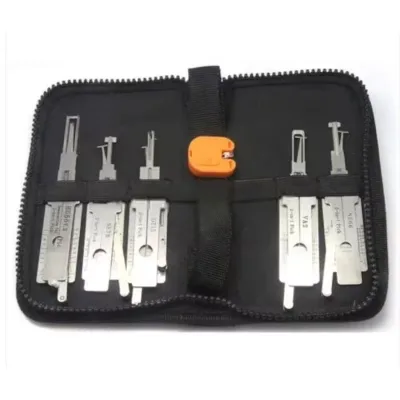


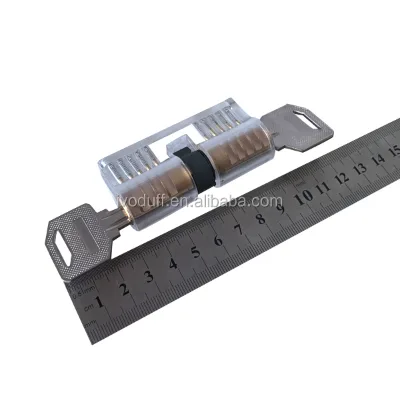


Comprehensive Sourcing Guide
Compact Travel Locksmith Kit Sourcing Guide
Procuring a compact travel locksmith kit requires balancing portability with functional versatility for on-site emergency access. The observed market data indicates a diverse range of tools, from specialized lock picking sets to comprehensive entry tool kits, often originating from manufacturing hubs in Henan, China. Buyers must distinguish between single-item listings and bulk supply options, as the minimum order quantity can vary significantly from single units to thousands of pieces depending on the specific configuration and customization needs.
When evaluating suppliers, it is critical to verify the material composition and structural integrity of the tools, as observed listings feature materials ranging from brass and stainless steel to titanium. The physical dimensions and weight of the kit are paramount for travel applications, with some single packages weighing as little as 0.744 kg while others may exceed one kilogram. Ensuring the selected kit meets the specific weight and size constraints of your travel requirements is the first step in securing a reliable supply chain for professional locksmith equipment.
Product Scope and Observed Listing Signals
The product landscape for travel locksmith kits includes specialized items such as lock picking sets, key cutting machines, and disassembly tool kits designed for universal application on house locks. Listings frequently highlight customization options, allowing buyers to request specific logos or tailored specifications to match their brand identity. The observed product attributes suggest a strong focus on utility for locksmiths and key cutting machines, with some units explicitly designed for door lock applications and general locksmith common functions.
Buyers should carefully analyze the listed model numbers and specifications, as the market offers a wide array of configurations including European style lock cylinders and single-row anti-dialing keys. The presence of "Customized Logo" and "ODM&OEM" service attributes indicates that many suppliers are prepared to adapt their standard offerings to meet unique client requirements. However, the variation in product types, from simple clamp tools to complex entry tool systems, necessitates a clear definition of the exact toolset required before initiating any procurement process.
Technical Specifications to Verify
Technical verification must begin with the material composition, as observed listings specify brass, metal, stainless steel, and titanium for various components. The thickness of the tools is a critical specification, with observed ranges falling between 1.0mm and 3.5mm, which directly impacts the durability and resistance to wear during heavy use. Buyers should confirm that the selected kit maintains these dimensional tolerances to ensure the tools can withstand the mechanical stress of lock entry and disassembly without deformation or failure.
The structural design of the lock body and key type also requires rigorous scrutiny to ensure compatibility with the intended lock mechanisms. Specifications such as single bolt structures, single row anti-dialing keys, and universal specifications are common, but the exact fit for specific door locks must be validated. Additionally, the single package size and gross weight are essential for logistics planning, with observed dimensions varying from compact 43.1x21.1x5.6 cm packages to larger 30x30x30 cm units, influencing how the kit is stored and transported during travel.
Compliance and Safety Documentation
While specific certification standards are not explicitly detailed in the provided product facts, buyers must request documentation confirming that the tools meet relevant safety and quality benchmarks for professional use. The observed warranty period of one month suggests a baseline expectation for product reliability, yet this may be insufficient for high-volume commercial operations. Procurement teams should verify if the supplier can provide evidence of material safety, such as non-toxic coatings or structural integrity tests, to ensure the tools do not pose a risk to the user or the property being accessed.
Documentation regarding the origin of the products is equally important, as the observed place of origin is Henan, China. Buyers should ensure that the supplier can provide clear traceability for the materials used, particularly when dealing with metals like titanium or stainless steel, to verify that they meet international quality expectations. Although specific test results are not listed, requesting third-party inspection reports or quality assurance certificates is a prudent step to mitigate the risk of receiving substandard equipment that could fail during critical lock entry scenarios.
Cost Drivers and Commercial Terms
The cost of a compact travel locksmith kit is influenced by several factors, including the material grade, customization level, and the minimum order quantity required. Observed data indicates a wide price range, with some items listed at very low unit costs while others command higher prices due to specialized features or bulk packaging requirements. The minimum order quantity can range from a single item to 20,000 pieces, meaning that the unit price will fluctuate significantly based on the volume of the order and the degree of customization requested.
Commercial terms such as payment methods and shipping logistics play a crucial role in the total cost of ownership. Suppliers typically accept payment via T/T or Western Union, and shipping can be arranged by air, sea, or express courier, each carrying different cost implications and lead times. Buyers must calculate the total landed cost by factoring in these shipping options and payment terms, while also considering the packaging specifications, such as 100 pieces per box or 2000 pieces per carton, which affect storage and handling expenses.
Supplier Qualification and Quality Control
Supplier qualification should focus on their ability to deliver consistent quality and adhere to the specified product attributes observed in the market. The presence of "Excellent" quality ratings and "Free Sample" availability suggests that many suppliers are confident in their product standards, yet buyers must still validate these claims through rigorous quality control protocols. It is essential to verify that the supplier can consistently produce tools with the specified thickness, material composition, and structural integrity across all units in a production run.
Quality control measures should include pre-shipment inspections to ensure that the tools meet the defined specifications for model numbers, sizes, and functional capabilities. Buyers should request samples to test the actual performance of the lock picking sets, key machines, and entry tools against real-world scenarios. Additionally, verifying the supplier's capacity to handle custom orders, such as customized logos or specific model numbers like CS3 or HS050LG, is vital to ensure that the final product aligns with the buyer's operational requirements and brand standards.
Long-Term Procurement Checks
Establishing a long-term procurement strategy requires regular audits of supplier performance and product consistency over time. Buyers should monitor the supplier's ability to maintain the specified warranty terms and quality standards, as the initial one-month warranty may need to be extended or supplemented with additional service agreements for ongoing operations. Continuous communication regarding any changes in material sourcing or manufacturing processes is necessary to prevent unexpected variations in product quality that could affect the reliability of the locksmith kits.
Future procurement checks should also include an evaluation of the supplier's responsiveness to customization requests and their ability to scale production as demand grows. The observed range of minimum order quantities and the availability of ODM&OEM services indicate that suppliers can adapt to changing market needs, but this flexibility must be maintained consistently. Regularly reviewing the cost drivers, such as material prices and shipping costs, will help buyers optimize their procurement strategy and ensure that the compact travel locksmith kits remain a cost-effective and reliable asset for their business.
FAQs
What materials are used in these locksmith tools?
The tools are crafted from brass, metal, titanium, and stainless steel. These durable materials ensure longevity and resistance to wear during frequent use. The combination of high-grade metals supports reliable performance for professional locksmiths and DIY enthusiasts who require robust equipment for various lock entry and key cutting tasks.
Can I customize the logo on the product?
Yes, customized logos are available for these items. The supplier offers ODM and OEM services to meet specific branding needs. This customization option allows businesses to brand their tools effectively. Buyers can request specific designs to align with their corporate identity or marketing strategies for a professional appearance.
What is the minimum order quantity for these tools?
The minimum order quantity is 5000 pieces. This standard MOQ applies to the master key and lock cylinder products. Buyers should consider this volume when planning procurement. Bulk orders may offer better pricing efficiency. It is advisable to confirm specific MOQ requirements with the supplier for customized or special model requests.
How are the products packaged for shipping?
Products are packed with 100 pieces in a box and 2000 pieces in a carton. This packaging structure ensures safe transport and easy inventory management. The single package size is approximately 43.1 by 21.1 by 5.6 cm. This standardized packing helps protect the tools during transit by air, sea, or express delivery.
Where are these locksmith tools manufactured?
These tools are manufactured in Henan, China. The origin is clearly stated for all listed products. Buyers can verify the production location for quality assurance and logistics planning. The Chinese manufacturing base provides access to a wide range of materials and skilled labor for producing high-quality locksmith equipment.
What payment terms are accepted for these orders?
Accepted payment terms include T/T and Western Union. These methods provide flexibility for international transactions. Buyers should arrange payments according to the supplier's invoice details. Secure payment channels ensure smooth processing of orders. It is recommended to confirm payment specifics before finalizing the purchase agreement to avoid delays.